


Well-Woman Exams and Pap Smears in Fort Worth
A well-woman exam is a yearly preventive visit with a gynecologist that may include a Pap smear, HPV test, breast and pelvic exam, and a review of your overall health. At Sky Women's Health in Fort Worth, Dr. Carolyn Moyers, a female board-certified OB-GYN, provides well-woman care for patients ages 12 and up in long, unhurried appointments.
Medically reviewed by Dr. Carolyn Moyers, DO, FACOG, MSCP , board-certified OB-GYN · Last updated October 2026
What happens at a well-woman exam?
Review of your health history, periods, medications and family history
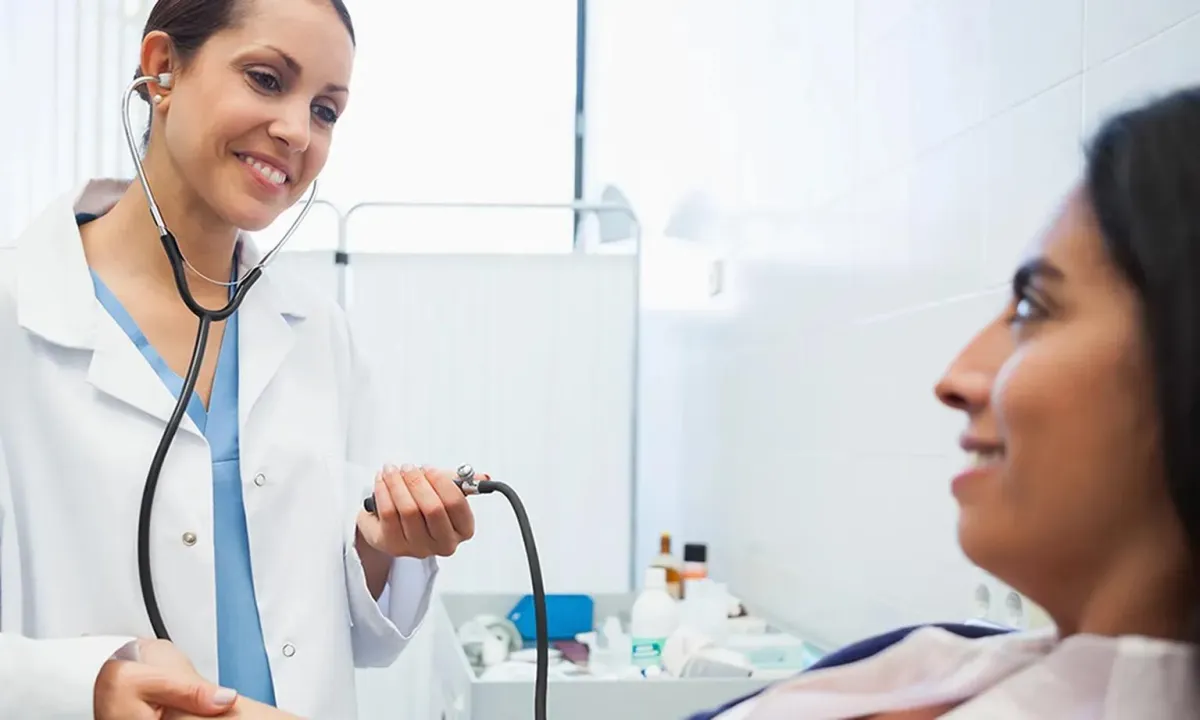
Blood pressure, weight and general health check
Breast exam and breast cancer risk review
Pelvic exam when needed
Pap smear and/or HPV test if you are due
STD testing on request or when recommended
Questions about contraception, pregnancy planning, perimenopause or menopause
A plan for screenings such as mammograms and bone density tests
The visit is also time to raise anything that has been bothering you, such as painful periods, low libido, vaginal dryness or mood changes. Nothing is too personal to ask.
How often do you need a Pap smear?
Most women do not need a Pap smear every year, but an annual well-woman visit is still recommended. Cervical cancer screening depends on your age and past results:
| Age | Recommended cervical cancer screening |
|---|---|
| Under 21 | No Pap smear needed |
| 21 to 29 | Pap smear every 3 years |
| 30 to 65 | Pap smear every 3 years, HPV test every 5 years, or Pap and HPV co-test every 5 years |
| Over 65 | Usually stop if past results have been normal; ask Dr. Moyers |
| After hysterectomy | Usually not needed if the cervix was removed for reasons other than cancer or precancer |
You may need more frequent testing if you have had an abnormal result, a weakened immune system or other risk factors.
What is a Pap smear?
A Pap smear collects a small sample of cells from the cervix to check for changes that could lead to cervical cancer. It takes a minute or two and may feel like brief pressure. An HPV test can be run on the same sample to check for the high-risk types of human papillomavirus that cause most cervical cancers.
Abnormal Pap smear follow-up
An abnormal result is common and rarely means cancer. Depending on the result, Dr. Moyers may recommend repeat testing, an HPV test or a closer look at the cervix (colposcopy). She explains every result and next step in plain language.
Does insurance cover a well-woman exam here?
Sky Women's Health is out-of-network with insurance, and visits are paid through membership or per visit. Labs and Pap smears may still be submitted to your insurance, FSA and HSA funds can be used for eligible services, and superbills are available on request. See payment and insurance.
Why choose a female gynecologist for your exam?
Many women feel more comfortable discussing sensitive concerns with a female doctor. Dr. Moyers creates a private, judgment-free space, explains each step before she does it, and never rushes the visit. Learn more about our full gynecology services.
Concierge Women's Health Care in Fort Worth and Across Texas
Sky Women's Health is a concierge, membership-based gynecology practice. Appointments are longer and unhurried, members can reach Dr. Moyers directly, and care is paid through a membership or per visit. Our clinic is at 1125 S Henderson St, Fort Worth, TX 76104, and patients regularly travel from Arlington, Benbrook, Burleson, Mansfield, Keller, Southlake, North Richland Hills, Weatherford, Grapevine and Westlake. Consultations and follow-ups are also available by telehealth for patients located in Texas.
Well-woman exam and Pap smear FAQs
How often should I have a well-woman exam?
Once a year. Even in years when you don't need a Pap smear, an annual visit covers breast health, contraception, screenings and any new symptoms.
Can I get a Pap smear on my period?
Light bleeding usually isn't a problem, but heavy flow can affect the sample. If your period is heavy on the day of your appointment, call 817-915-9803 and we can reschedule.
Does a Pap smear test for STDs?
No. A Pap smear checks for cervical cell changes, and an HPV test checks for high-risk HPV. Tests for chlamydia, gonorrhea and other infections are separate and can be done at the same visit.
Does a Pap smear hurt?
Most women feel brief pressure or mild discomfort for a minute or two. Tell Dr. Moyers if exams have been painful in the past; she can use a smaller speculum and go at your pace.
What should I avoid before a Pap smear?
For 48 hours before your test, avoid sex, douching, tampons and vaginal creams or medicines, as they can affect the sample.
How long do Pap smear results take?
Results usually come back within one to three weeks. Our team will contact you with your results and any next steps.
SERVICES WE OFFER
Conditions & Treatments

Sexual Health

Osteopathic Manipulative Treatment (OMT)

Menopause Care
Gynecology

Minimally Invasive Gynecologic Surgery

Telehealth

MonaLisa Touch®
Weight Loss
Hormone Therapy
Refer a Patient

Subscribe
Join Dr. Moyers' newsletter!